

How to Prevent Age Related Hearing Loss
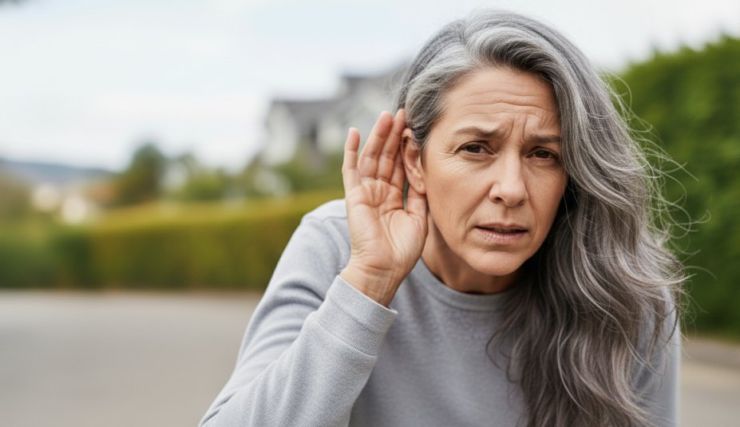
Age-related hearing loss affects about a quarter of people in their 60s, over half in their 70s, and 80% in their 80s. More than 95% of centenarians experience severe hearing loss. Beyond communication problems, it can lead to social isolation, depression, and increased accident risk.
While often considered inevitable, research suggests lifestyle plays a major role—similar to high blood pressure. In rural populations of Africa and Asia, traditional diets support healthy blood pressure into old age, and the same may protect hearing.
The Mabaan tribe in Sudan shows almost no signs of age-related hearing loss or cardiovascular disease. Their blood pressure remains around 110/70 well into their 70s, while people in industrialized nations often become hypertensive decades earlier. Researchers attribute this to their low-animal-protein, whole-grain diet, which promotes circulation and prevents atherosclerosis that can impair blood flow to the inner ear.
The inner ear’s sensory hair cells, which convert sound into electrical signals for the brain, do not regenerate once lost, so prevention is crucial. Genetics account for roughly 25% of hearing loss risk; environmental and lifestyle factors dominate. Loud noise, smoking, and certain medications—like aminoglycoside antibiotics, NSAIDs, and loop diuretics—damage hearing. Even constant background noise above 60 decibels may contribute, so white noise machines should be kept under 50 decibels.
Diet and vascular health are closely linked to hearing. The Mabaan’s plant-based diet, free of refined sugar and animal fat, supports healthy arteries and steady blood flow. In contrast, high saturated fat, cholesterol, and refined carbohydrate intake increase inflammation and vascular damage. Sharp blood sugar spikes may explain why diabetes and prediabetes accelerate hearing decline. Sorghum, a low-glycemic staple, helps stabilize blood sugar.
Inflammation and oxidative stress further affect hearing. Obesity reduces inner ear blood flow and triggers chronic inflammation. Free radicals damage cells directly, and people with weaker antioxidant defense genes, like less-active Nrf2 variants, lose hearing faster. Diets rich in antioxidant pigments—lutein and zeaxanthin from leafy greens—correlate with better hearing.
While supplements like vitamins A, C, and E show mixed results, folate (B9) is protective. A three-year Dutch study of 700 older adults found 800 micrograms of folic acid daily reduced speech-frequency hearing loss, potentially lowering the number needing hearing aids at age 75 from 33% to 22%. Folate-rich foods—beans, lentils, leafy greens—remain excellent choices.
A 2021 review concluded diets high in saturated fat and cholesterol harm hearing, while plant-based diets protect it. Animal studies confirm this, and human studies like the Blue Mountains Hearing Study link dietary cholesterol to a 34% higher risk of hearing loss. Imaging shows more arterial plaque—especially in carotid arteries—correlates with poorer, faster-declining hearing.
The Finnish Mental Hospital Study demonstrates causality. In the 1960s, one hospital switched to a low-saturated-fat diet while another remained on a high-fat menu. After years, heart disease and hearing decline improved with the low-fat diet, proving diet can influence hearing outcomes.
In conclusion, age-related hearing loss is largely preventable. Protect your ears by avoiding loud noise, not smoking, limiting harmful medications, maintaining healthy weight, and eating a diet rich in whole plant foods, legumes, leafy greens, and whole grains while low in saturated fat and cholesterol. Healthy arteries equal healthy hearing—and a better quality of life.
Related Posts


Click here for the pdf version of healthbites.

Preventing Hair Loss and Promoting Hair Growth
nutritionfacts.org Aug 23, 2025
Hair loss affects roughly half of men and women by age 50, mostly due to genetics, though lifestyle, stress, smoking, and toxins like mercury can worsen it. Supplements like biotin lack proven benefit and may interfere with lab tests, while FDA-approved drugs—finasteride and minoxidil—work but carry serious side effects. Diet and lifestyle play a key role: consuming raw vegetables, soy, herbs, and pumpkin seeds can protect hair, while junk food and meat may increase loss. Managing stress, avoiding smoking, and addressing deficiencies like vitamin C support hair health, making food and habits safer, effective strategies over pills.
Do Fruits and Veges boost Our Mood?
nutritionfacts.org Aug 23, 2025
Psychological health includes both the absence of mental illness and the presence of well-being, and consuming more fruits and vegetables has been associated with greater happiness, life satisfaction, and even physical health benefits, like improved blood pressure and longevity.
Should We Drink Kombucha?
nutritionfacts.org June 27, 2025
Several case reports link kombucha consumption to serious health issues, including metabolic acidosis, liver dysfunction, autoimmune reactions, and even death. Despite widespread health claims, systematic reviews in both 2003 and 2019 found no controlled human studies supporting kombucha’s supposed benefits. While some studies in mice and rats suggest potential benefits, there is a complete lack of controlled human trials to validate these claims. Given the lack of proven benefits and the potential for harm, healthcare professionals advise against consuming kombucha for therapeutic purposes.